May 20th, 2026
Smarts Matter Part 1
I’ve been lucky in life. Lucky to grow up with a father who never went to college but knew more about people, money, and decisions than most professors I later met in law school. Lucky to spend my career around agents, brokers, lawyers, builders, and clients who taught me things no textbook ever did. And lucky, frankly, to have made enough mistakes along the way to recognize what the smart people around me were doing differently.
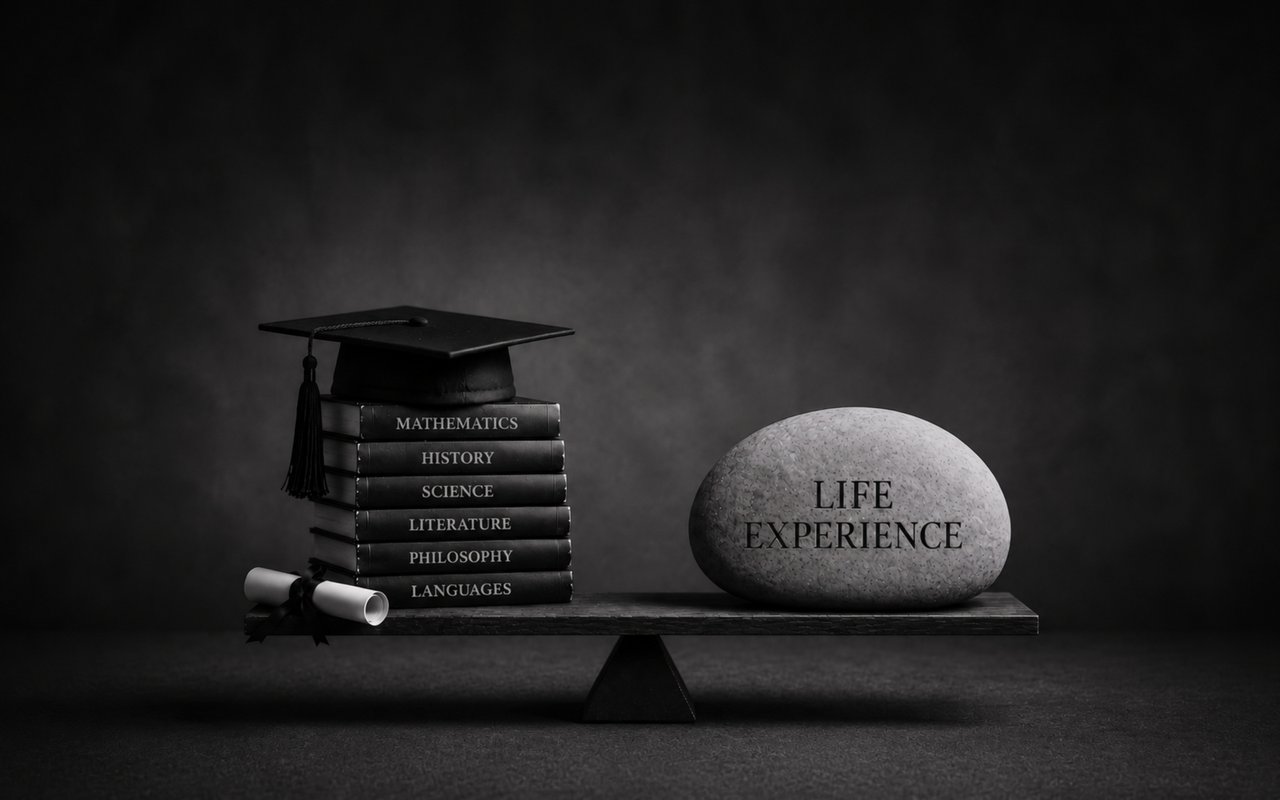
Because here is the thing nobody tells you on graduation day. A diploma is a wonderful thing. It opens doors, earns respect, sometimes even gets your name engraved on a plaque somewhere. But a diploma will not save you from a bad decision. It will not whisper in your ear at the closing table. It will not warn you when the cute guy with the winning smile is about to turn into a boastful bore by the time the coffee gets cold.
Education gives you knowledge. Smarts is knowing what on earth to do with it.
My father, bless him, used to say there were two kinds of people in this world. People who’d been to school, and people who’d been to the school of getting fooled twice. He preferred the second crowd. Said they were better company at dinner and more useful in a crisis.
Over the years, I’ve kept a quiet little list of the reasons smart people, you and me included, still manage to do dumb things. Not because we lack intelligence, but because we forget to use it. Here are the first few. The rest will follow next week, and I’d suggest clipping both columns and sticking them somewhere you’ll see them. The refrigerator works. So does the bathroom mirror, though that’s a touch more honest than most people prefer.
Emotion. My old friend Bruce once told me, “A problem is a set of facts compounded by emotion.” That single sentence has saved me from more bad decisions than any law school course ever did. Strip the emotion away. Look at the facts. Then move. Smart people don’t freeze. They decide.
Quantity. We’ve been trained, mostly by people trying to sell us things, to believe more is better. More data. More features. More commercials shouting at us between innings. But quantity is not quality, and a mountain of mediocre information will bury you faster than a single useful fact ever could. Smart people ask, “Is this true and does it matter?” Then they ignore the rest.
Recency. There’s a peculiar bias in all of us to believe that whatever we heard yesterday must be more accurate than what we knew the day before. It usually isn’t. New is not the same as right. Sometimes the advice your grandfather gave you in 1973 still holds. Sometimes the headline this morning is already wrong by lunch. Smart people consider the source, not the timestamp.
Friends. Your friends will give you advice whether you ask for it or not. They mean well. They love you. And they are, more often than not, completely unqualified to weigh in on the matter at hand. Caring is not the same as knowing. Smart people listen politely, then go ask someone who’s actually done the thing.
History. I knew a woman who refused to date again because her first husband turned out to be a scoundrel. One bad apple, she decided, was sufficient evidence to condemn the orchard. That’s like a child who scrapes her knee once and never gets back on the bike. Smart people don’t draw permanent conclusions from temporary experiences.
Diligence. Most bad decisions, I’ve come to believe, are simply the result of not doing the homework. The amount of homework should match the size of the decision. You don’t need a title search to pick a sandwich. You do need one before you buy a house. Smart people calibrate their effort to the stakes.
That’s six. Next week, six more, including the one John Wayne summed up better than I ever could.
I’ll save his line for the finish.